
Skip to content

Painting

Painting in Muskego and southeast Wisconsin

Interior and exterior painting for homes and commercial spaces across Waukesha, Milwaukee and Racine counties. The color you see is the last of four layers. The three underneath decide how long it lasts.

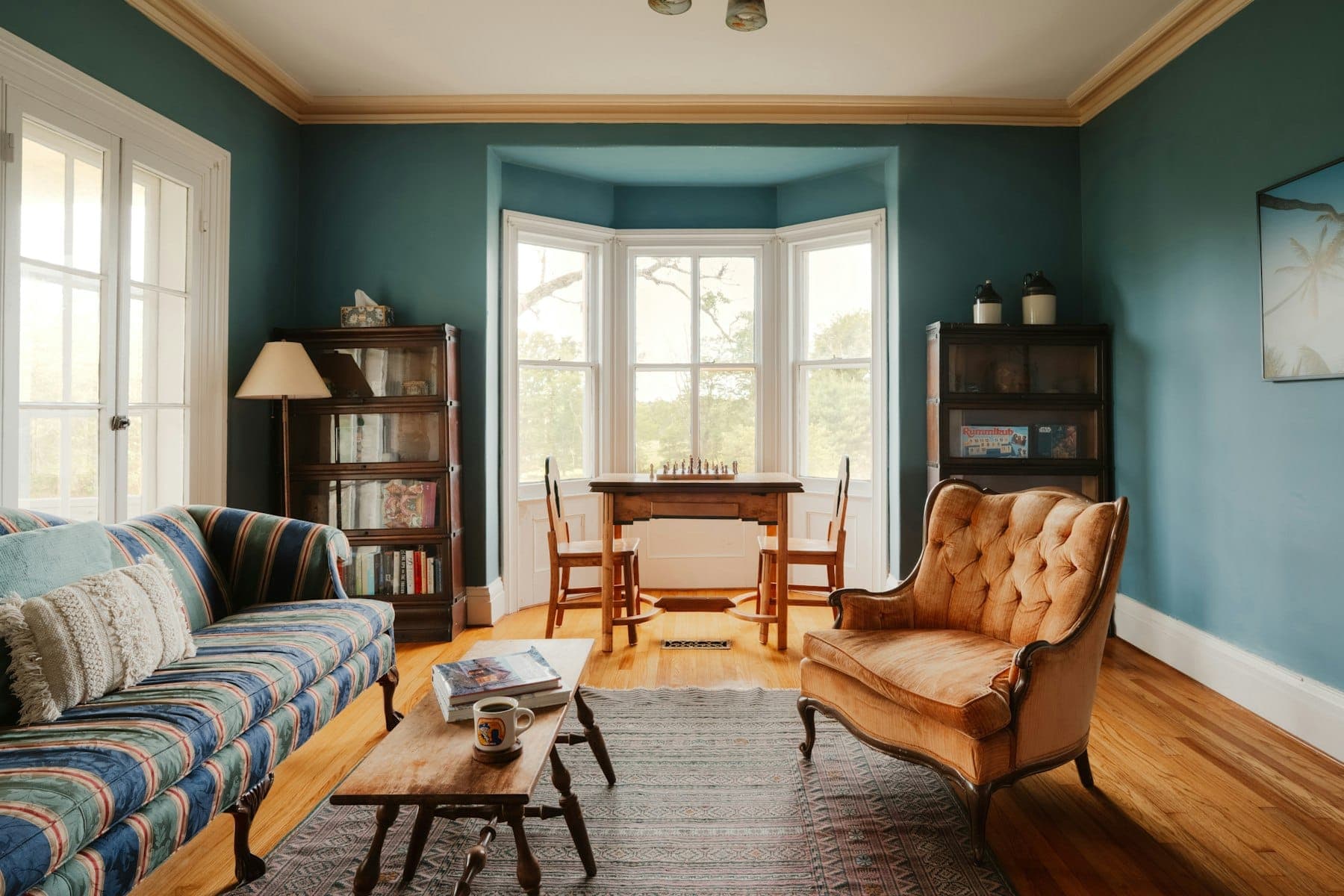
Living room with teal walls, white window and baseboard trim, a bay window and warm wood floors

C&L Property Improvements is a family-owned company based in Muskego. We paint interiors and exteriors for homeowners and for commercial spaces, and painting sits alongside the roofing, siding and remodeling work we do. That combination matters on older houses, where a peeling window sill is often a water problem before it is a paint problem.

Most paint failures are not failures of the paint. Paint peels because the surface was dirty, chalky, glossy or damp when it went on, because water is getting in behind it, or because the primer was wrong for the surface. That is why preparation gets more attention here than color.

If you already know what you need, go straight to interior painting or exterior painting. This page covers how a paint job works as a system, how inside and outside work differ, and the rules that apply to buildings from before 1978.

What a painting project covers

Interior walls, ceilings and trim

Rooms, stairwells, doors, casings and baseboards, with patching and drywall or plaster repair done before any paint goes on.

Exterior siding, trim and doors

Wood, fiber cement, engineered wood and previously painted aluminum siding, plus trim, soffit, fascia and entry doors. Each substrate has its own primer and prep requirements.

Surface repair

Filling and patching, resetting popped fasteners, re-securing loose plaster and replacing short lengths of rotted trim.

Preparation

Cleaning, scraping loose paint, sanding and feathering edges, caulking the joints that should be sealed and leaving open the gaps that let water drain, then spot-priming bare and repaired areas.

Commercial interiors and exteriors

Offices, storefronts and common areas. Commercial work adds questions a house doesn't have, such as when a space can be closed and how much wear the walls take, and those belong in the written scope.

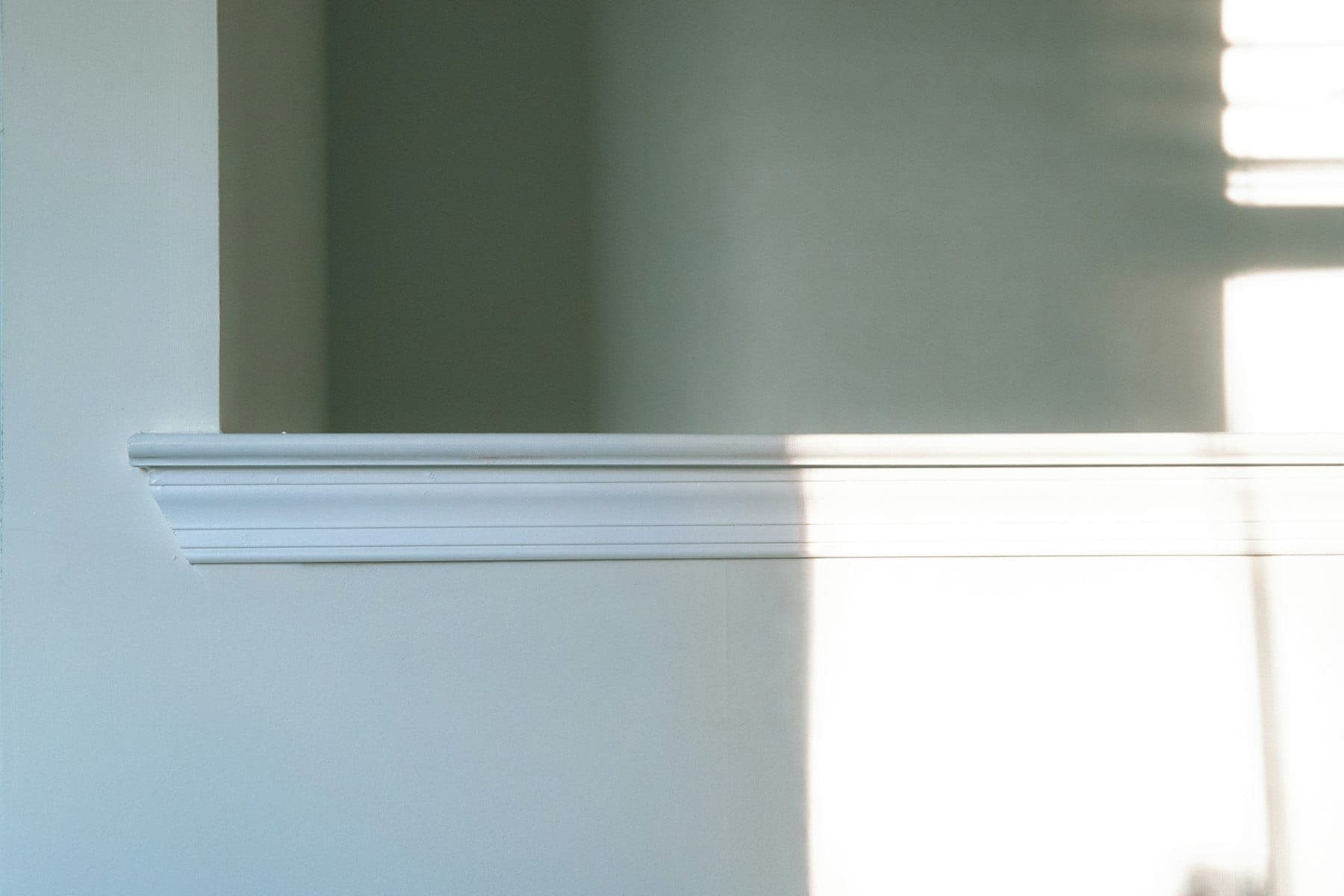
Crisp paint line where a sage-green upper wall meets a white chair rail and pale lower wall, in window light

Paint system choices, in general terms

Product categories matter more than brand names. These are the choices that decide how a coating performs. A written estimate should name the specific products.

Primer

Primer is chosen for the problem in front of it. Bonding primers grip glossy or slick surfaces. Stain-blocking primers stop water stains, smoke and tannin bleed from coming back through. Drywall primers seal new board and fresh patches so they take paint the same way as the wall around them.

Good for
Bare wood, new drywall, repairs, stains, big color changes and glossy existing finishes.
Watch for
Paint-and-primer-in-one products are finish paints that hide well. They do not replace a stain-blocking or bonding primer where one is needed.
Waterborne acrylic finish paint

The default for most interior walls and for exterior siding and trim. Acrylics stay flexible as wood moves through the seasons, resist cracking and clean up with water.

Good for
Walls, ceilings, most trim, exterior siding and trim.
Watch for
Temperature limits vary by product. Some premium exterior lines are rated to 35°F, while many primers and interior paints still need 50°F. The data sheet decides, not the calendar.

Enamels for trim and doors

Harder, more level finishes, in waterborne alkyd or traditional oil-based versions, for surfaces that get handled and bumped.

Good for
Doors, handrails, window stools and trim that takes abuse.
Watch for
Slower drying and curing. Traditional oil-based enamels also smell stronger and tend to yellow over time, especially in rooms with little daylight.

Sheen

Flat and matte hide flaws but mark more easily. Eggshell and satin trade a little hiding for washability. Semi-gloss and gloss are the most durable and show everything underneath them.

Good for
In common practice: flat on ceilings, eggshell or satin on living-area walls, semi-gloss on trim, doors and many bathrooms.
Watch for
Higher sheen magnifies patching, roller texture and wavy walls. The surface has to be flatter for a glossy finish to look right.

How it’s built

A paint job is four layers, not one

A paint job is four layers, not oneEach layer depends on the one beneath it. Most peeling starts in the bottom two. Layers, in order: 1. Substrate and repairs; 2. Surface preparation; 3. Primer; 4. Two finish coats.1234
Each layer depends on the one beneath it. Most peeling starts in the bottom two.
  1. Substrate and repairs

    The wall, siding or trim itself, which has to be sound, dry and fastened. Rotted wood gets replaced, loose plaster re-secured, cracks and holes filled. Paint cannot hold together a surface that is failing underneath it.

  2. Surface preparation

    Cleaning, dulling glossy finishes, scraping loose paint, and sanding and feathering edges so old paint lines don't show through. The surface must end up clean, dull and dry.

  3. Primer

    Bonds to the surface and gives the finish a uniform base to grip. The right primer blocks stains, seals bare wood and new drywall, and evens out patched areas so they don't show through the topcoat.

  4. Two finish coats

    Color, sheen and protection. Two coats build a full, even film. A single coat is usually thin somewhere, and thin spots are where wear and weathering start.

Decisions to make before painting starts

  1. 01

    Interior, exterior, or both this year?

    Exterior work has a season and interior work doesn't. If both are on the list, the outside usually goes first in the warm months and the rooms fill the fall and winter.

  2. 02

    Repaint, or repair first?

    If siding is soft, plaster is loose or drywall is water-damaged, paint is the wrong first step. An honest estimate says so, including when the real question is about the siding or the drywall.

  3. 03

    How long should this paint job last?

    Prep depth and paint grade trade against each other and against cost. More preparation and a better product usually cost less than repainting sooner.

  4. 04

    Was the building built before 1978?

    If so, Wisconsin's lead-safe rules may govern how painted surfaces are prepared, which affects method, time and cost. The rules are summarized below.

How a painting project runs

  1. 1

    Walkthrough and free estimate

    We look at the surfaces in person: what's peeling and why, what the existing coating is, and what needs repair. The scope comes to you in writing, including surfaces, repairs, prep, primer, number of coats, sheen and exclusions.

  2. 2

    Colors and samples

    Test colors on the actual wall or siding and look at them in morning and evening light. Color shifts between the chip, the room and the north side of the house.

  3. 3

    Protection and preparation

    Floors, furniture, fixtures and plantings are covered. Then cleaning, scraping, sanding, repairs and caulking. On most jobs this is the longest phase.

  4. 4

    Primer and finish coats

    Spot-priming or a full prime coat as the surface calls for, then two finish coats applied within the temperature and recoat windows on the product data sheet.

  5. 5

    Final walkthrough

    Look at the work together in good light and mark anything that needs attention before the job is called done.

Common paint failures and what causes them

Peeling down to bare wood

Almost always moisture from behind: ice-dam meltwater, water entering at joints and board ends, or humid indoor air moving into cold exterior walls. Repainting without finding the water source brings the peeling back.

Peeling between coats

The new coat never gripped the old one because the surface was dirty, chalky or glossy. It is a preparation failure, not a paint defect.

Stains bleeding through

Water stains, smoke and wood tannins pass through ordinary paint. A stain-blocking primer stops them, but only after the source is dealt with.

Mildew and surfactant streaks outdoors

Mildew grows on damp, shaded siding and has to be cleaned and killed before painting. Tan, sticky streaks on fresh paint usually mean it went on during warm days followed by cold, dewy nights.

Southeast Wisconsin

Painting in Wisconsin: what's different here

Two local conditions set the rules for painting here: the weather, and the age of the buildings. Both are specific enough to plan around.

Exterior paint has a season

Premium exterior lines such as Sherwin-Williams Duration and Benjamin Moore Aura are rated down to 35°F, but only if air and surface stay above 35°F and 5°F above the dew point for 48 hours. Sherwin-Williams says standard latex primers cannot be used below 50°F. Milwaukee County's average last freeze is April 24 and first freeze October 17, so the practical exterior season runs roughly May through September. Spring and fall work depends on the overnight forecast.

Interiors are year-round, with the heat on

Many interior paints need surfaces at 50°F or warmer. Benjamin Moore's Regal Select data sheet sets 50°F as its minimum. In winter the heat stays on in every room being painted. The EPA notes indoor VOC levels run consistently higher than outdoors and advises ventilating when using paint.

Pre-1978 buildings: Wisconsin runs its own lead-safe program

Paid work on a home or child-occupied facility built before 1978 that disturbs 6 sq ft or more of painted surface per room inside, 20 sq ft or more outside, or removes any window is regulated by the Wisconsin Department of Health Services. It requires both a DHS-certified lead-safe company and a certified renovator, and it rules out open-flame burning, high-temperature heat guns and power sanding without HEPA-shrouded tools. The owner-occupant exemption covers homeowners doing their own work, not contractors.

Moisture from inside shows up outside

The USDA Forest Products Laboratory notes that moisture moving from inside a house into cold exterior walls peels exterior paint, and that no coating applied outside will stop it. It also warns that wood painted above about 20 percent moisture content is likely to blister and peel. Bathrooms and kitchens without working exhaust fans are a common source, so fixing ventilation can be part of fixing the paint.

Timing, permits and cost

Permits

Painting generally needs no building permit. Milwaukee's code exempts painting and similar finish work, and Muskego's permit brochure lists painting and decorating among work that normally needs none. Lead-safe rules still apply to pre-1978 homes either way.

Scheduling

Book exterior work well ahead of summer. Interior work fits any month. The exterior painting season guide covers the weather limits month by month.

What drives the price

Surface area, how much prep and repair the surfaces need, the number of colors, ceiling heights and access, and lead-safe requirements on older homes. The interior painting cost guide and exterior painting cost guide explain what moves the number.

Company went ahead and painted the inside of my home. Did an absolutely amazing job! 10/10 would recommend. Price and easy communication made the process easy.
Noah V. · Google review
C&L home improvements painted the interior of our home and installed a new tile roof! Did an awesome job. Nice crew
Elijah G. · Facebook recommendation

Questions about painting

Do you paint both interiors and exteriors?

Yes. C&L paints the interiors and exteriors of homes and commercial spaces across Waukesha, Milwaukee and Racine counties. The interior painting and exterior painting pages go into each in detail.

When is the best time of year to paint a house exterior in Wisconsin?

Roughly May through September. Spring and fall work depends on overnight lows and dew, not daytime highs, because the paint has to stay within its rated conditions for 48 hours after it goes on.

How many coats of paint do I need?

Primer where the surface needs it, then two finish coats, is the standard for a job meant to last. One coat can be enough when you are refreshing the same color on a sound wall. The written estimate should say which you are getting.

Does my house have lead paint?

If it was built before 1978, assume some painted surfaces may contain lead until testing shows otherwise. That matters most when paint will be sanded, scraped or removed. The lead-safe renovation guide explains Wisconsin's rules.

Do I need a permit to paint?

Generally not. Milwaukee exempts painting and similar finish work from permits, and Muskego lists painting and decorating among work that normally doesn't need one. Check with your municipality if the painting is part of a larger remodel.

Why is the paint on my house peeling?

Usually water or poor adhesion. Peeling to bare wood points to moisture from behind, often ice dams, leaks at joints or indoor humidity reaching cold walls. Peeling between coats points to paint applied over a dirty, chalky or glossy surface.

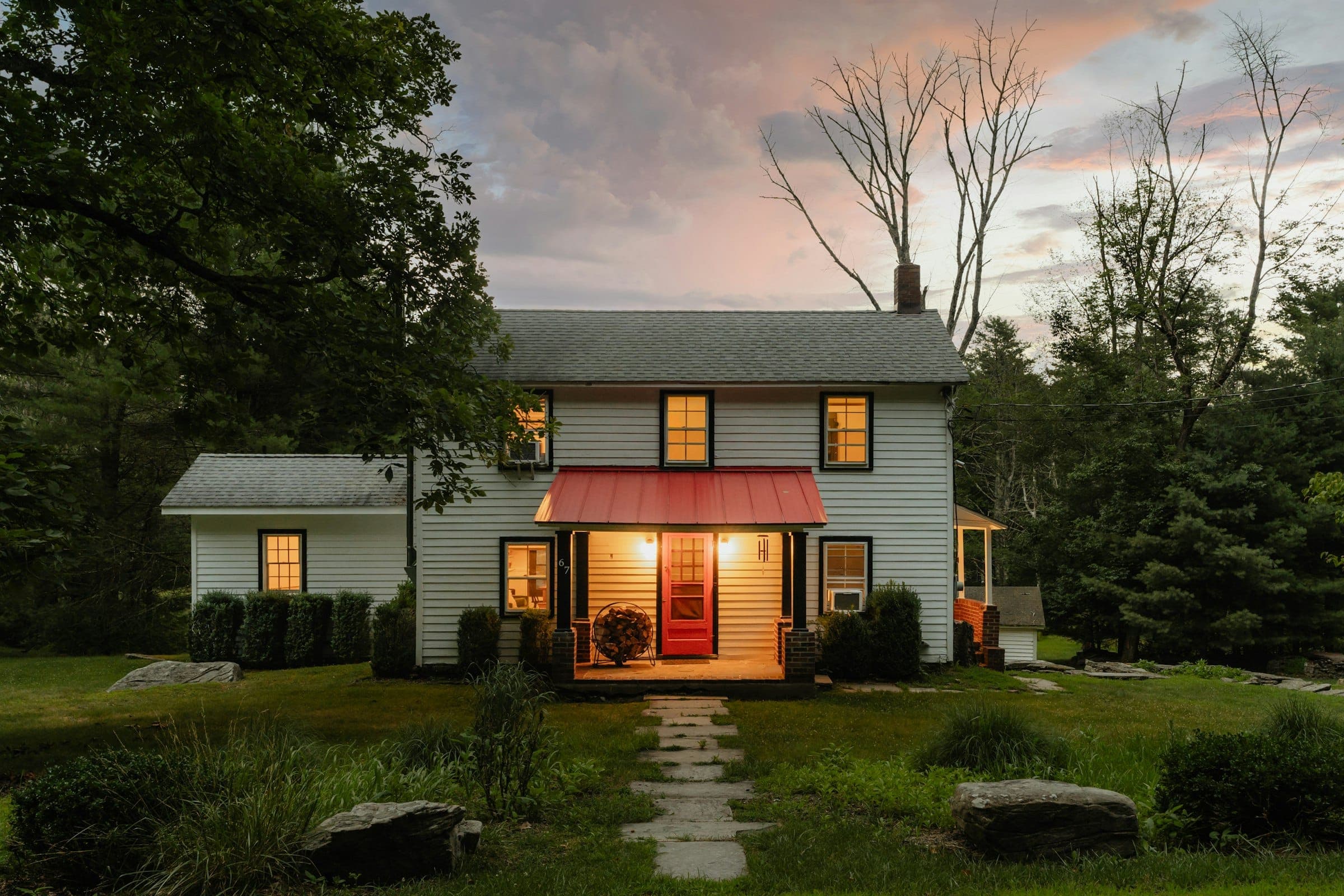
White clapboard farmhouse at dusk with lit windows and a glowing front porch under a red metal awning

Free estimates · Mon–Fri 8 a.m.–6 p.m. · Sat 9 a.m.–6 p.m.

Get a painting estimate

Tell us which rooms or which sides of the house, and roughly when you would like the work done. The estimate is free, we look at the surfaces in person, and the scope comes to you in writing.