Skip to content

Interior painting

Interior painting in Muskego and southeast Wisconsin

Walls, ceilings, trim, doors and stairwells, with the patching, plaster repair and priming that decide how a finished room looks when the light comes across it at a low angle.

Part ofPainting
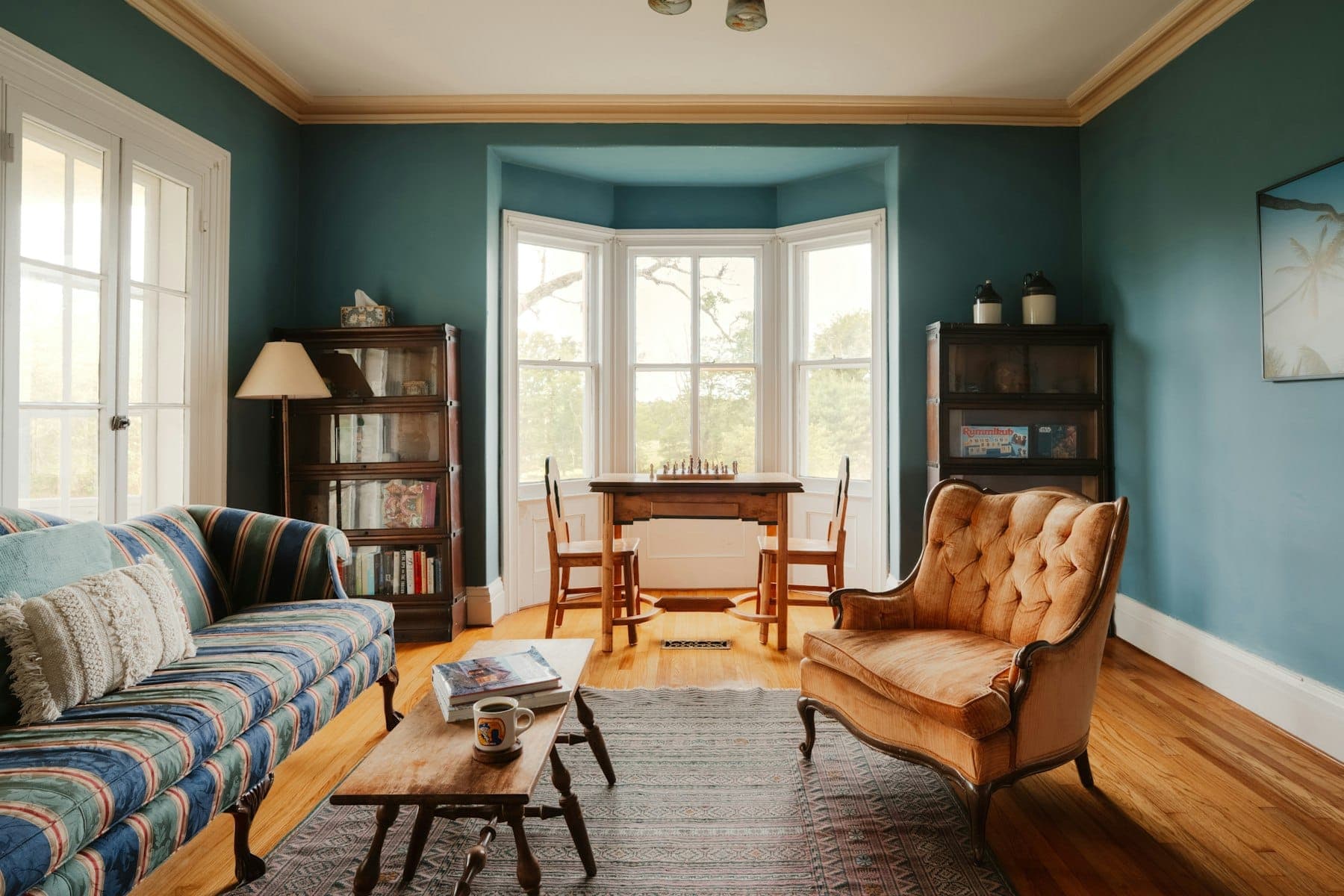
Living room with teal walls, white window and baseboard trim, a bay window and warm wood floors

Interior repaints are among the jobs homeowners have hired C&L Property Improvements for. The inside of a house is the surface people look at most closely every day, so small things show: a patch that flashes through the finish, a wavy line where the wall meets the ceiling, trim paint that stays tacky for weeks.

A good interior job is mostly work you don't see once it's done: repairs, sanding, primer, and a straight line where two colors meet. This page explains what that involves, where the real choices are, and what changes when a house has plaster walls or was built before 1978.

C&L is family-owned, based in Muskego, and paints homes and commercial interiors across Waukesha, Milwaukee and Racine counties. For the outside of the house, see exterior painting. For how paint systems work in general, see the painting overview.

What interior painting includes

Walls and ceilings

Two finish coats over a prepared surface. Ceilings usually get a flat paint, which hides the slight waves every ceiling has once a light fixture shines across it.

Trim, doors and casings

Baseboards, casings, crown molding, window stools and doors, usually in a harder enamel at a higher sheen. Doors and door frames are the most-touched surfaces in a house and are painted for durability first.

Stairwells and tall walls

Two-story entries and stairwells need ladder and plank setups that are safe on stairs. They take longer per square foot than any other wall in the house, which is why they often appear as their own line in an estimate.

Drywall patching

Nail pops, dents, corner cracks, old anchor holes and cut-outs, filled and sanded flat, then primed. Larger damage, such as a water-stained ceiling or a wall opened for plumbing, is a drywall repair job first.

Plaster repair

Cracks in lath-and-plaster walls opened and filled, loose areas re-attached to the lath, and patches built up level with the surrounding surface so they disappear under paint.

Caulking and filling trim

Gaps between trim and wall caulked and nail holes filled, so each joint reads as one clean line. Caulk belongs at trim joints; it does not fix cracks in the wall itself.

Protection

A proper job covers floors, moves and covers furniture, removes switch and outlet plates, and masks or removes hardware. The estimate should say what gets moved and by whom.

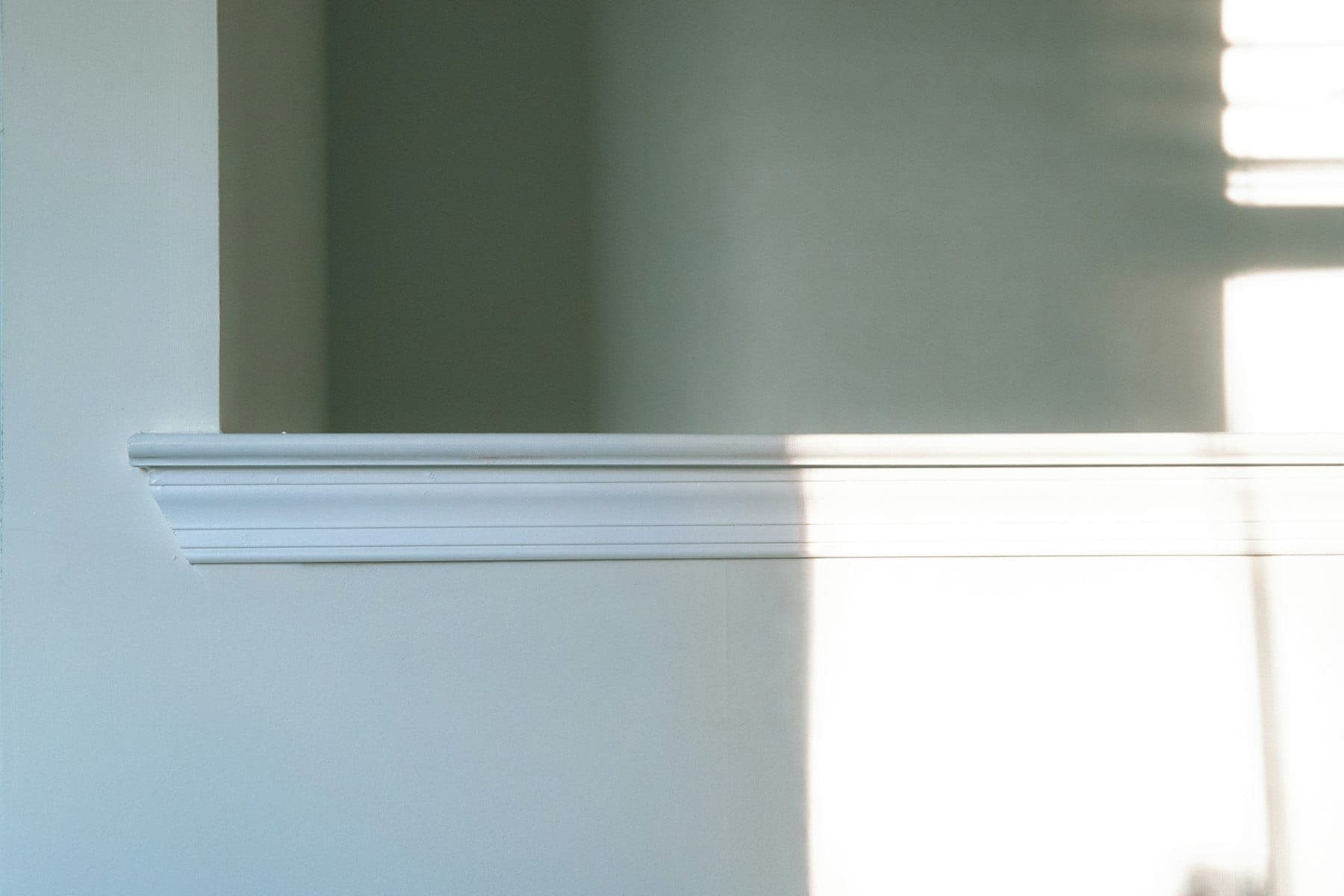
Crisp paint line where a sage-green upper wall meets a white chair rail and pale lower wall, in window light

Sheen, room by room

No code or standard assigns a sheen to a room. These are the common trade choices and the reasons behind them. The rule underneath all of them: higher sheen is easier to wash and shows more flaws.

Flat and matte

The least reflective finishes. They hide patching, roller texture and uneven walls better than anything else.

Good for
Ceilings, and walls in living and dining rooms where hiding imperfections matters more than scrubbing.
Watch for
Scuffs and fingerprints don't wash off as easily. Some newer matte lines are rated as more scrubbable; check the product.

Eggshell

A low sheen that stands up to occasional wiping without much shine.

Good for
Living rooms, bedrooms and hallways.
Watch for
Shows roller texture and patch outlines more than flat does on walls lit from the side.

Satin

A soft shine that tolerates regular cleaning.

Good for
Kitchens, children's rooms, mudrooms and busy hallways.
Watch for
Touch-ups often show as shinier spots. Plan to repaint a wall corner to corner instead of dabbing.

Semi-gloss and gloss

Hard, reflective finishes that take repeated scrubbing.

Good for
Trim and doors, and in common practice many bathrooms.
Watch for
Every dent, drip and brush mark shows. These sheens need the most careful preparation of any finish.

Choices to make before the first coat

  1. 01

    Cut in by hand, or tape?

    Cutting in with a brush gives the cleaner line on uneven walls, especially plaster, where tape bridges the low spots and paint bleeds under it. Tape earns its place on straight, smooth edges, but it can lift paint that isn't well attached, so it goes on only over sound, fully dry paint.

  2. 02

    Does the room need primer?

    Primer belongs over new drywall and large patches, over water, smoke or marker stains (a stain-blocking primer), over glossy existing trim (a bonding primer), and under big color changes (a tinted primer). Over a clean, sound wall of a similar color, two finish coats are usually enough. The written scope should say which areas get primer.

  3. 03

    Same color, or a change?

    Repainting the same color can sometimes be done in one coat on a wall in good shape. Changing from dark to light, or to deep reds and yellows, can take a tinted primer and an extra coat.

  4. 04

    Ceilings too?

    Fresh walls against an old, yellowed ceiling make both look worse. If the ceiling is being painted, it goes first, so any spatter lands on walls that haven't been painted yet.

  5. 05

    Before or after other work?

    If floors, drywall or a remodel are coming, paint near the end. Walls and ceilings usually go before new flooring; the final coat on baseboards goes after it. See home remodeling for how the trades line up.

How an interior painting job runs

  1. 1

    Walkthrough and free estimate

    Room by room, in person: whether walls are drywall or plaster, what damage and stains there are, what the existing finish is, and how high the ceilings go. The scope comes to you in writing.

  2. 2

    Room setup

    Furniture moved and covered, floors covered, plates removed, and hardware and fixtures protected.

  3. 3

    Repairs and preparation

    Fill, patch and re-secure. Sand patches flat and feather their edges. Wash greasy or dusty surfaces, dull glossy trim, and caulk trim joints.

  4. 4

    Primer

    Spot-prime every patch so it doesn't flash through, and full-prime new drywall, stained areas and big color changes.

  5. 5

    Ceilings, walls, then trim

    Top down: ceilings first, then walls, then trim and doors, with two finish coats applied within the recoat window on the product data sheet.

  6. 6

    Put back and walk through

    Plates and hardware back on, furniture back in place, and a walkthrough in good light before the job is called done.

What interior paint problems usually mean

Patches that show through the paint

Called flashing. Patching compound absorbs paint differently from the painted wall around it, so an unprimed patch dries dull or shiny. Primer over every patch prevents it.

Cracks that keep coming back

Cracks at the corners of doors and windows, or along plaster that has pulled away from its lath, move with the house. Caulk and a coat of paint hide them for a season. They need to be re-taped or re-attached before painting.

Paint peeling off trim in strips

Usually latex paint applied over old oil-based enamel without sanding or a bonding primer. The new coat never gripped. The loose paint has to come off, and the trim has to be dulled and primed properly.

Brown stains on the ceiling

Water from a roof leak, a plumbing leak or an ice dam. Find and fix the source, let the area dry, then seal the stain with a stain-blocking primer. Ordinary paint lets it bleed back through. The ice dam guide explains the late-winter version.

Mildew on bathroom ceilings

A ventilation problem showing up as a paint problem. Moisture-resistant paint helps, but the fix is an exhaust fan that is sized properly, vented outdoors and run long enough. See bathroom remodeling for what Wisconsin requires.

Southeast Wisconsin

Interior painting in Wisconsin homes

Winter, plaster walls and pre-1978 paint are the three local conditions that most change how interior painting is done here.

Winter painting needs heat and fresh air

Many interior paints need surface temperatures of 50°F or higher; Benjamin Moore's Regal Select data sheet sets 50°F as its minimum. In winter the heat stays on in the rooms being painted, and drying takes longer. The EPA notes that indoor levels of volatile organic compounds run consistently higher than outdoor levels, up to ten times, and advises extra ventilation when using paint. Low-VOC products help, and so does opening windows whenever the weather allows.

Plaster walls in older homes

The National Park Service notes that plaster was the wall surface chosen for nearly all buildings until the 1930s or 1940s, usually applied in three coats over wood lath. Much of Milwaukee's older housing, including the duplexes built from 1890 to 1930 and the bungalows of 1900 to 1930, dates from that era. Plaster fails when it loses its keys, the grip it has on the lath, and the NPS observes that it is often not as badly damaged as it first appears. Repair before painting is usually the right call, not tear-out.

Lead-safe rules for pre-1978 interiors

In a home built before 1978, paid work that disturbs 6 sq ft or more of painted surface in a room falls under Wisconsin's lead-safe renovation rule, run by the Department of Health Services. It requires a DHS-certified lead-safe company and a certified renovator. Before work starts, occupants must receive the EPA's Renovate Right pamphlet, no more than 60 days ahead. Dry sweeping and power sanding without HEPA-shrouded tools are not allowed. Repainting sound walls with light prep may stay under the threshold; scraping and sanding can cross it quickly.

Late-winter ceiling stains

Stains that appear on top-floor ceilings and upper walls in late winter are often ice-dam leaks: heat escaping into the attic melts roof snow, which refreezes at the cold eave and backs up under the shingles. University of Minnesota Extension puts air sealing the ceiling first among the fixes. Painting over the stain without dealing with the cause means painting it again next year.

Timing, permits and cost

No permit for painting

Painting doesn't need a building permit. Milwaukee's code exempts painting and similar finish work, and Muskego's permit brochure lists painting and decorating among work that normally needs none.

How long rooms are out of use

Plan to lose each room for its prep and paint time. Trim enamel can take longer than wall paint to harden, so wait before rehanging pictures or pushing furniture against fresh walls.

Winter and summer both slow drying

Cool rooms in winter and humid air in summer both lengthen dry and recoat times. Keep the heat on in winter and run air conditioning or a dehumidifier on muggy days.

What drives the price

Wall and ceiling area, ceiling height, trim and doors, how much patching and plaster repair the surfaces need, color changes, wallpaper removal, stairwells, furniture in occupied rooms, and lead-safe requirements on pre-1978 homes. The interior painting cost guide explains how each one moves the number.

Cost guideInterior painting cost in southeast WisconsinSourced, dated figures and what actually drives the price.
Company went ahead and painted the inside of my home. Did an absolutely amazing job! 10/10 would recommend. Price and easy communication made the process easy.
Noah V. · Google review
C&L home improvements painted the interior of our home and installed a new tile roof! Did an awesome job. Nice crew
Elijah G. · Facebook recommendation

Questions about interior painting

Should I paint before or after new flooring goes in?

Usually walls and ceilings go first, so drips and spatter never touch the new floor. Baseboards get their final coat after the floor is installed, because installation scuffs them.

Do you paint kitchen cabinets?

Ask us about your cabinets specifically. Painting cabinets is a different job from painting walls: degreasing, dulling the old finish, a bonding primer and a hard enamel. Whether it makes sense depends on how the cabinets are built and what shape they are in. When replacement is the better answer, that belongs in a kitchen remodel.

How can I tell whether my walls are plaster or drywall?

Plaster is hard, feels cold and resists a pushpin. Drywall takes a pushpin easily and sounds hollower between studs. Removing an outlet cover shows the wall's edge beside the box. Most homes built before the 1940s have plaster unless it has been replaced.

Is one coat of paint ever enough?

Sometimes, when you are refreshing the same color on a clean, sound wall with a good paint. Over patches, stains, new drywall or a color change, it isn't. The written estimate should state the number of coats.

Can you paint over wallpaper?

It is usually better to remove it. Paint can loosen the paste and cause bubbling, and the seams show through. If removal damages the wall face, the surface gets sealed and skim-coated before painting.

Can I stay in the house while rooms are painted?

Most people do. Low-VOC paints have much less odor than older paints, but they still release some compounds, so the EPA advises ventilating while painting and afterward. Keep the room being painted closed off and aired out.

Does repainting an older home require lead-safe work?

It depends on how much painted surface the prep disturbs. In a pre-1978 home, paid work that disturbs 6 sq ft or more per room is regulated by Wisconsin DHS. The lead-safe renovation guide explains what that means for you.

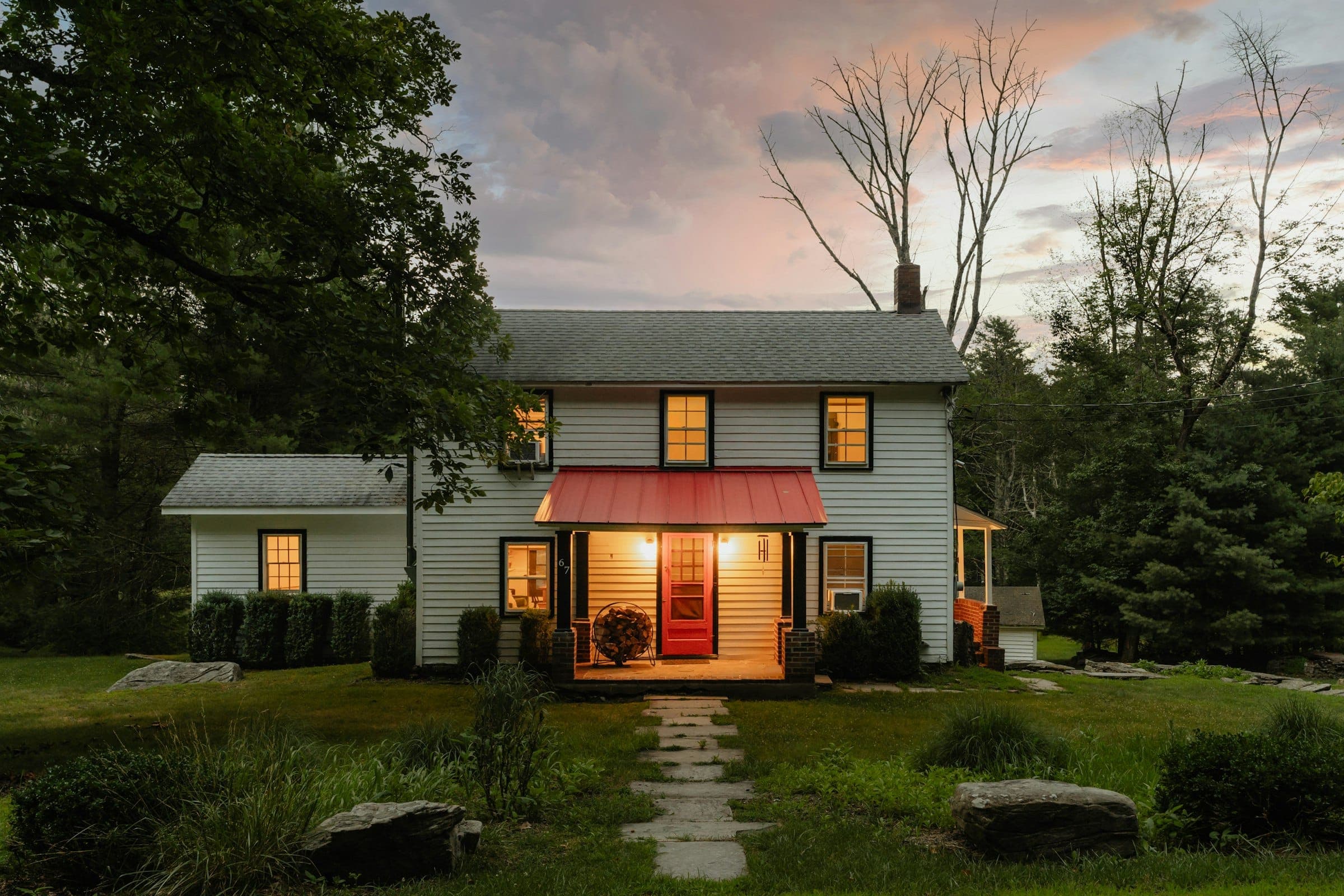
White clapboard farmhouse at dusk with lit windows and a glowing front porch under a red metal awning

Free estimates · Mon–Fri 8 a.m.–6 p.m. · Sat 9 a.m.–6 p.m.

Get an interior painting estimate

Tell us which rooms, and whether ceilings, trim or repairs are part of it. The estimate is free, we look at the walls in person, and the scope comes to you in writing.