The short version
- Wisconsin runs its own lead-safe renovation program through the Department of Health Services (Wis. Admin. Code ch. DHS 163), under EPA authorization.
- It covers paid work on homes and child care facilities built before 1978 that disturbs 6 sq ft or more of painted surface in a room, 20 sq ft or more outside, or involves any window replacement.
- Two certifications are required: the company must be a DHS-certified lead company, and a DHS-certified lead-safe renovator must be in charge of the job.
- Expect the EPA Renovate Right pamphlet before work starts (no more than 60 days before), containment, restricted work methods, cleaning verification and records.
- Check certification yourself on the DHS certified lead company list before you sign, and ask for copies of both certificates.
Why this matters in older homes
Lead-based paint was used on homes for decades before 1978, and it is still there under newer coats on trim, windows, siding, doors and porches. Intact paint is one problem; renovation is a bigger one, because scraping, sanding, cutting and demolition turn that paint into chips and fine dust that settle on floors, sills and soil.
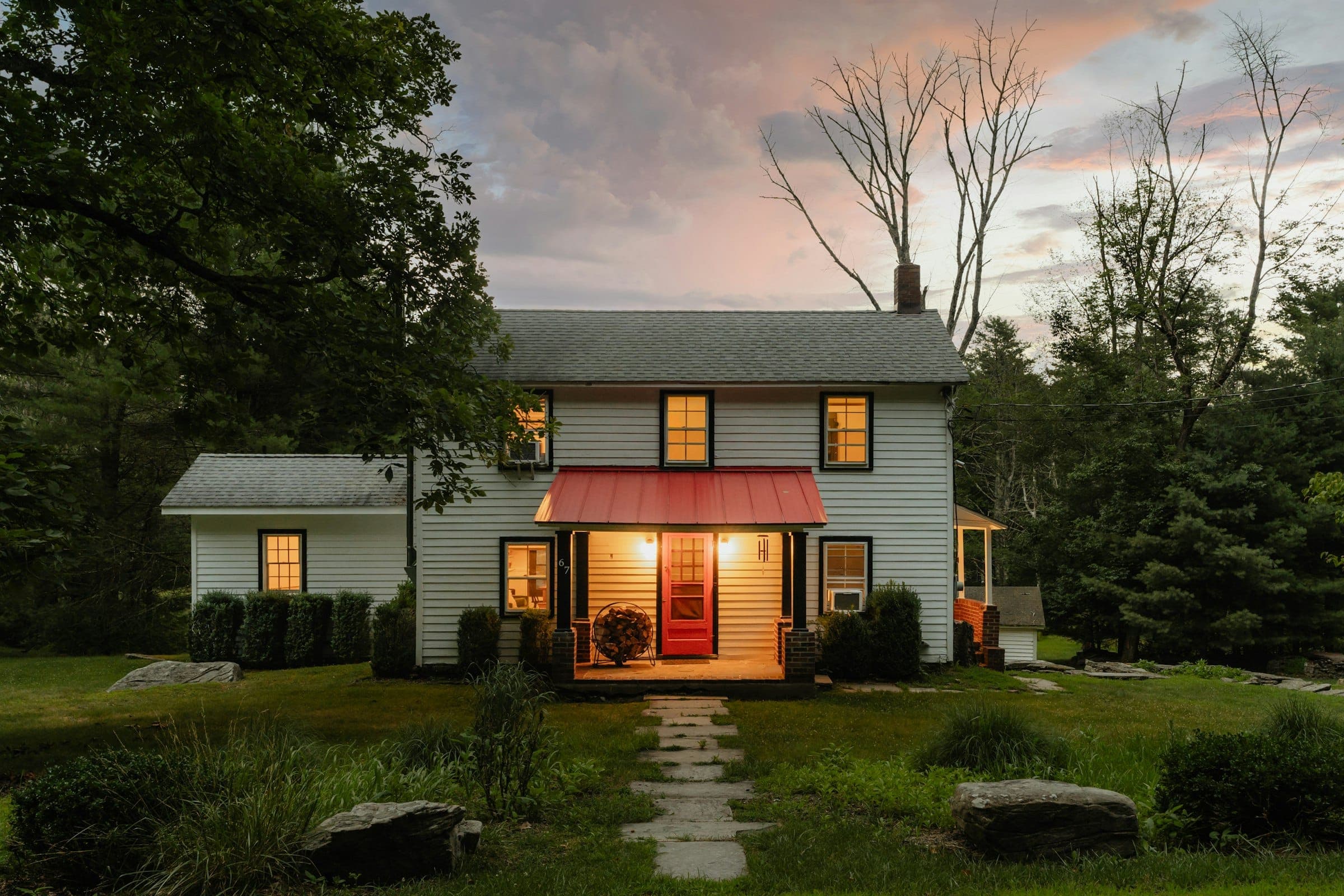
Southeast Wisconsin has a lot of housing inside the 1978 cutoff. Milwaukee's duplexes were built mostly between 1890 and 1930, its bungalows between about 1900 and 1930, and its Polish flats during the immigrant growth of 1870 to 1920. Many suburban homes from the 1950s through the 1970s fall inside the cutoff too. For all of them, the date the house was built is the first question.
Wisconsin runs its own program
Most national articles describe the federal EPA Renovation, Repair and Painting (RRP) rule. In Wisconsin, the Department of Health Services is authorized by EPA to run the program itself, under Wisconsin Administrative Code chapter DHS 163. The core ideas match the federal rule, but the certifications that count here are issued by Wisconsin DHS, and DHS publishes its own list of prohibited practices.
DHS is explicit that professionals must be trained and certified before they perform most paint-disturbing work — or even offer to perform it.
What work is covered
The rule applies to renovation, repair and painting work done for pay in homes and child care facilities built before 1978, when the work disturbs:
- 6 sq ft or more of painted or varnished surface in a single room inside
- 20 sq ft or more of painted or varnished surface anywhere on the exterior
- Any window replacement — even when the windows being removed are vinyl, because the casings that stay can carry lead paint
Twenty square feet is a small area. An exterior repaint with real scraping, a porch rebuild, or siding removal on a pre-1978 house will almost always cross it. See paint or replace siding for how this affects that decision.
Who is exempt, and who isn't
DHS exempts homeowners doing their own work in their own home when only they and their immediate family live there, no part of the home is rented, and no child with a high blood lead level lives there. The exemption covers the owner's own labor. It does not extend to anyone they hire.
Owners must follow the rule when they run a rental property, even one they live in, or when they renovate a vacant property for sale or rent. And once you pay a contractor for covered work, the rule applies to that contractor.
DHS also limits who can test paint. A certified lead inspector or risk assessor can determine whether lead-based paint is present. A certified lead-safe renovator may use an approved test kit, and only at the property owner's request.
Two certifications: the company and the renovator
Wisconsin requires both. The business must hold DHS certification as a lead company, and the individual leading the work must be a DHS-certified lead-safe renovator. Every covered project must have a certified renovator in charge.
Renovator certification starts with an initial course (DHS describes it as eight hours long), carries a DHS fee, and requires a refresher course to stay current. Company certification is a separate DHS credential with its own fee. A worker's training certificate alone does not make the company certified, and a certified company still needs a certified renovator on each job.
What you should see on a lead-safe job
A compliant job looks different from an ordinary one, and it should. Before and during the work, expect:
- The Renovate Right pamphlet. The company must give owners and occupants EPA's Renovate Right guide before work starts, but no more than 60 days before. DHS suggests keeping the signed confirmation form.
- Containment. The work area is closed off with plastic sheeting and warning signs, and people and pets stay out. Outside, the ground and nearby surfaces are covered so chips don't end up in the soil.
- Restricted methods. No open-flame burning or torching; no power sanding, grinding, planing or blasting unless the tool has a shroud and HEPA vacuum attachment; no heat guns at 1100°F or above. DHS's list also prohibits methylene chloride strippers, dry sweeping, faulty HEPA vacuums and high-pressure water blasting without full containment.
- Careful cleanup. HEPA vacuuming and wet cleaning, not sweeping.
- Cleaning verification. A required check, after cleanup, that the work area was properly cleaned.
- Records. Renovators must keep records of the work for three years. DHS suggests homeowners ask for a summary of the work and safety procedures, and any cleaning verification or clearance testing reports.
Sources
- 1.Wisconsin DHS — Lead-Safe Wisconsin renovation rule (opens in a new tab)
- 2.Wisconsin DHS — Lead-safe renovation FAQ (opens in a new tab)
- 3.Wisconsin DHS — Hire a lead-safe contractor (opens in a new tab)
- 4.U.S. EPA — Renovation, Repair and Painting Program work practices (opens in a new tab)
- 5.U.S. EPA — Renovate Right: Important Lead Hazard Information (opens in a new tab)
How to check a contractor's certification
Don't take a logo or a sentence on a website as proof. DHS publishes a certified lead company list as a spreadsheet, updated monthly, and it will send the list in other formats on request. Its advice for homeowners is to confirm both certifications and to get bids from more than one company.
- Find the company on the DHS certified lead company list.
- Ask for copies of the company certification and the renovator certification, and check the names and expiration dates.
- Ask who the certified renovator on your job will be, and whether that person will be on site.
- Ask how the work area will be contained and cleaned, and whether cleaning verification results will be shared with you.
- Get the lead-safe steps described in the written estimate, not only discussed.
This guide explains the rule. It is not a statement about any contractor's certification status, including ours. Check any company you are considering, C&L Property Improvements included, on the DHS list. Violations can carry penalties of $100 to $5,000 per violation, per day.
Cost and scheduling
Lead-safe work takes more setup, slower prep methods and more cleanup, and estimates for pre-1978 homes should reflect that. No reliable published figure exists for how much it adds locally; it depends on how much paint is disturbed, where, and how much containment the space needs. When comparing bids, an estimate that is much lower than the others on an old house is worth a direct question about how lead-safe requirements are being met.
It also affects timing. Containment and cleaning verification add days, and exterior work needs dry, calm weather for ground covers and cleanup. Build that into plans for exterior painting, window replacement, and interior work such as kitchen remodeling in older homes. For the rest of the vetting process, see hiring a contractor in Wisconsin, and for the painting calendar, when you can paint an exterior here.
Questions
Does the rule apply if I do the work myself?
Not if you own the home, live there with only your immediate family, rent no part of it, and no child with a high blood lead level lives there. The exemption does not cover anyone you pay to do the work, or rental properties.
My house was built in the 1970s. Does this apply?
If construction was before 1978, yes, for covered work done for pay. Whether lead is actually present can be determined by a certified lead inspector or risk assessor; a certified renovator can use an approved test kit at your request.
Is replacing vinyl windows covered?
Yes. DHS treats any window replacement in a pre-1978 home as covered, even if the windows being removed are vinyl, because the surrounding casings can have lead paint.
Is an EPA certificate enough in Wisconsin?
Wisconsin DHS runs the program here and issues the company and renovator certifications. Check the DHS certified lead company list rather than relying on a certificate from another program.