Skip to content

Roof repair

Roof repair in Muskego and southeast Wisconsin

A ceiling stain tells you where the water ended up, not where it got in. Good roof repair starts by finding the entry point — usually flashing, a pipe boot or a wind-lifted shingle — and ends with an honest answer on whether the roof is still worth repairing.

Part ofRoofing
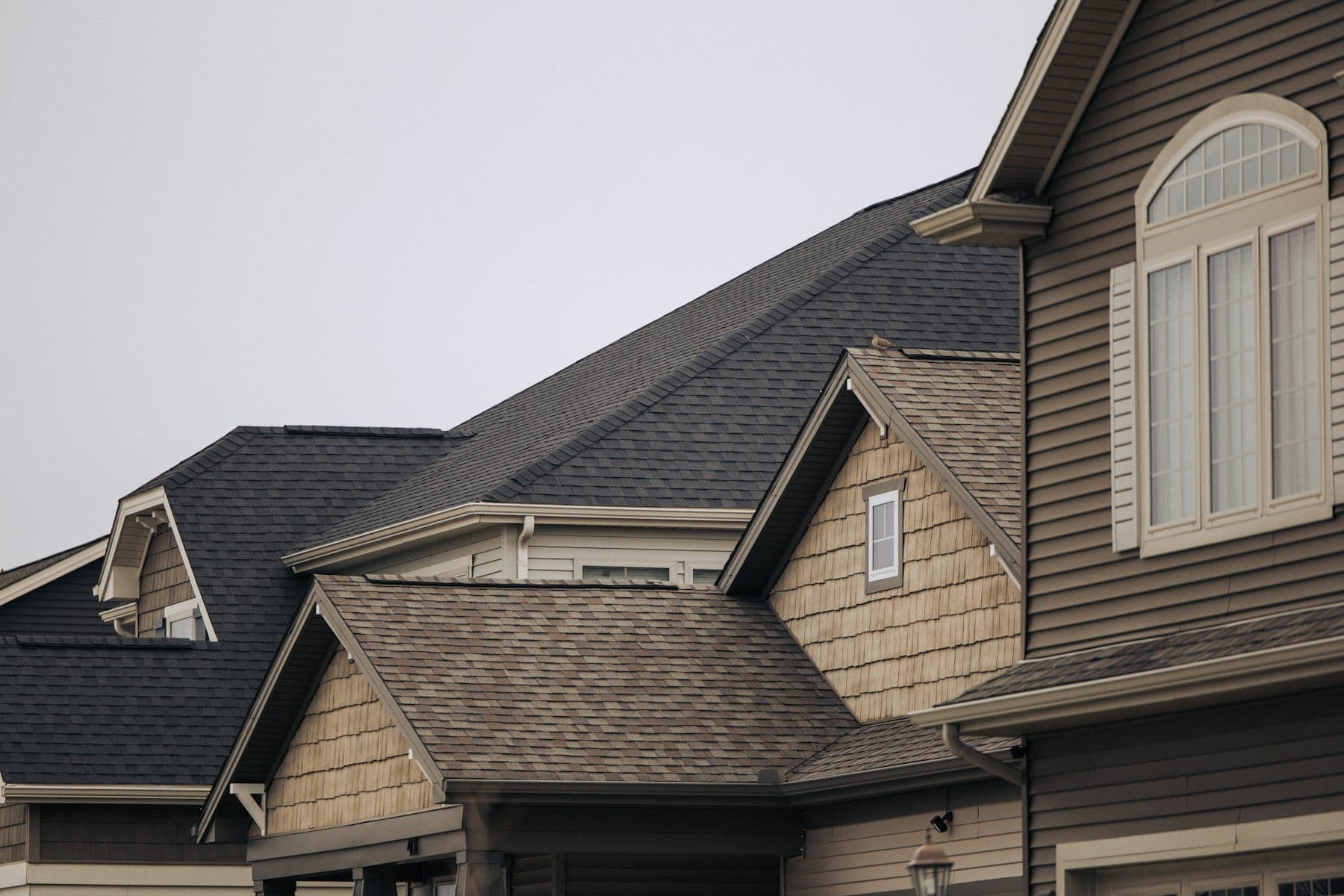
Intersecting gables and valleys on a two-storey home with dark asphalt shingles, lap siding and shake accents

C&L Property Improvements is a family-owned company based in Muskego that repairs asphalt shingle roofs across Waukesha, Milwaukee and Racine counties: leaks, failed flashing, cracked pipe boots, wind damage and the rot that follows them.

Most leaks are not the shingles wearing out. They are joints — where the roof meets a wall, a chimney, a vent pipe, a skylight or a valley. On a roof with life left in it, those are very repairable. On a roof that is worn out everywhere, patching one joint only moves the next leak a few feet over, and a straight answer about that is part of the job. If replacement is the better call, the roof replacement page explains what a full job should include.

The estimate is free and done in person, and the scope is put in writing: what was found, where the water is getting in, what the repair includes and what it does not.

What roof repair covers

Leak tracing

Water that gets through the roof runs along the underside of the sheathing, down rafters and across the top of the ceiling before it drips, so stains often appear several feet — sometimes a room — away from the entry point. Tracing starts in the attic, following water marks, rusted nail tips and darkened wood uphill toward the source, then matches that spot to what is on the roof above.

Flashing repair

Step flashing at walls, counterflashing at chimneys, headwall flashing where a roof dies into a wall above it, and kickout flashing at the bottom of a roof-to-wall joint. A lump of roof cement over a gap is a temporary patch, not flashing. A lasting repair means lifting shingles, replacing the metal and relaying them.

Pipe boots and roof vents

The rubber collar around a plumbing vent cracks in the sun and pulls away from the pipe; exposed nail heads at box vents rust and let water down the shank. Both are small, common leaks, and both are fixed by replacing the part, not coating it.

Wind-damaged shingles

Missing shingles are obvious. Creased ones are not: a shingle that lifted in wind and folded back often shows a straight horizontal crease and a broken adhesive seal. Damaged shingles are replaced, nailed properly and hand-sealed where the weather or the manufacturer calls for it.

Valleys and low-slope sections

Valleys carry more water than any other part of the roof, and porch or shed roofs at shallow pitches drain slowly. Both show wear first and are often worth repairing with a new valley lining or membrane rather than more shingles.

Deck repair at the leak

Sheathing that has been wet for a season or more goes soft. It is cut out and replaced as part of the repair, because new shingles nailed into rotten wood will not hold.

Temporary protection

When water is coming in now, a tarp properly lapped over the ridge and fastened without new holes through good shingles can limit the damage until a permanent repair. It is a stopgap, not a repair. Nobody should be on a wet, icy or snow-covered roof, including a homeowner with a ladder.

Close-up of dimensional asphalt shingles laid in a staggered, overlapping pattern across a roof plane

Spot repair, section or full replacement

The right repair depends on how much of the roof is sound. Each option is honest about what it fixes and what it leaves.

Spot repair

Replacing a pipe boot, a few shingles or a short run of flashing.

Good for
A single, identified failure on a roof that is otherwise flat, well-granulated and sealing.
Watch for
Older shingles can be brittle and crack when lifted, and new shingles rarely match a weathered roof's color exactly.

Re-flashing a wall or chimney

Removing the shingles along the joint, installing new step, counter or kickout flashing, and relaying new shingles.

Good for
Leaks at one roof-to-wall joint or chimney, which are among the most common.
Watch for
Chimney counterflashing needs sound mortar joints; failing masonry has to be repaired first or the leak comes back.

Replacing one slope

Tearing off and re-roofing a single face of the roof, often the side that takes the weather.

Good for
Storm damage or wear concentrated on one side of an otherwise sound roof.
Watch for
Color and profile mismatch at the ridge and valleys, and the same layer limits that apply to a full roof.

Full replacement

Tear-off to the deck with new ice barrier, underlayment, flashing and ventilation.

Good for
Roofs with widespread granule loss, curling, repeated wind damage or leaks in several places.
Watch for
Replacing a sound roof because of one leak. A single failure rarely justifies it.

Repair or replace: how to decide

  1. 01

    How does the rest of the roof look?

    Look past the leak. If the field shingles still have granules, lie flat and stay sealed, repair is usually right. If they are curling, bare or brittle everywhere, the leak is a symptom and the next one is already forming.

  2. 02

    Is it one leak or a pattern?

    One leak at a chimney or pipe is a repair. New leaks every storm, in different places, are a roof asking to be replaced.

  3. 03

    How many layers are there?

    If the roof is already a second layer over an old one, any replacement must be a full tear-off, and repairs are harder because nails have to reach through both layers into the deck.

  4. 04

    Is it actually the roof?

    Winter-only leaks are often ice dams or attic frost, not a failed roof. A drip near a bath fan may be condensation from a fan vented into the attic. Fixing shingles will not stop either.

  5. 05

    Is insurance involved?

    After hail or wind, document the damage before repairs where you can, and read the storm damage guide before signing anything contingent on a claim.

How a repair goes

  1. 1

    Tell us what you see

    Where the stain is, when it appears — during rain, in wind from one direction, only during snowmelt — and how long it has been there. Timing is often the best clue.

  2. 2

    Inspection

    A proper inspection starts in the attic where it can be reached, then moves to the roof above the suspected entry point, including flashing, boots, vents and valleys nearby.

  3. 3

    Written findings and scope

    What was found, the likely entry point, what the repair includes, and anything else on the roof worth watching.

  4. 4

    The repair

    Shingles lifted or removed, rotten deck replaced, flashing or boots replaced, shingles relaid and sealed.

  5. 5

    Checking it

    The next hard rain is the real test. A dry attic and a stain that does not grow confirm the repair; interior patching waits until then.

Common leaks and their usual causes

Stain on the ceiling near a chimney

Counterflashing sealed with caulk instead of set into mortar, cracked mortar joints, or a wide chimney with no cricket behind it collecting water and debris.

Wet wall or rot below a roof-to-wall joint

Usually a missing kickout flashing. Water runs off the end of the step flashing, behind the siding and down inside the wall, often for years before it shows.

Drip near a plumbing vent or bath fan

A cracked pipe boot, or a bath or kitchen fan dumping moist air into the attic where it condenses on cold sheathing and drips back down.

Leaks only in winter or during thaws

Ice dams backing meltwater under the shingles, or frost built up on the underside of the deck from warm, moist house air leaking into the attic and melting on a sunny day.

Leak after a windstorm

Lifted, creased or missing shingles, broken seal strips, or ridge caps pulled loose, most often on the windward side and along rakes and ridges.

Water at the fascia or behind the gutter

Missing or short drip edge, or a gutter hung so low that water runs behind it. See gutters.

Southeast Wisconsin

Wisconsin-specific details

Snow load, freeze–thaw and ice dams shape most roof repairs here. The Wisconsin Uniform Dwelling Code governs one- and two-family homes started on or after June 1, 1980; for older homes, your municipality's requirements apply.

Ice-dam leaks are an attic problem first

An ice dam needs a roof surface above freezing higher up, below freezing at the eave, and snow. Heat escaping into the attic supplies the first condition. University of Minnesota Extension puts the fixes in order — air-seal the ceiling, then insulate, then ventilate — and Building Science Corporation treats the eave membrane as a backup, not a cure. ENERGY STAR calls a history of ice dams a sign of serious air leaks. The ice dam guide goes further.

Flashing the code expects

SPS 321.28(7) requires flashing at chimney–roof junctions, in all valleys and around all roof openings, with chimneys flashed and counterflashed at least 6 in. and a cricket behind any chimney wider than 30 in. on its uphill side. SPS 321.24(3)(f) requires the flashing where an eave meets a sidewall to divert water away from the wall.

Layer count limits your options

SPS 321.28(6) does not allow a new covering over a roof with two or more existing layers, or over one that is water-soaked or deteriorated. If a leaking roof is already a second layer, the replacement option is a tear-off.

Cold-weather repairs

Shingle adhesive needs the sun's heat to seal. Owens Corning's cold-weather procedures start at or below 40°F and include hand-sealing with roof cement; CertainTeed notes that sealing may be delayed in cool weather and that shingles must be warm enough to bend without cracking. Winter repairs can be done, but they need that extra care.

Storm repairs and Wis. Stat. § 100.65

A contractor may not promise to pay or rebate your deductible, and may not represent you or negotiate your claim with the insurer. If you sign a contract for exterior repairs to be paid through a claim, you may cancel it until the end of the third business day after the insurer notifies you in writing that the claim is denied in whole or in part.

Permits for repairs differ by town

The City of Milwaukee does not require a permit to repair or replace roof covering on a one- or two-family home when the roof structure is not affected. Muskego's permit brochure lists roofing repairs among work that needs a permit. Ask before work starts, and put who applies in writing.

Timing, the inside of the house and cost

Do not wait for spring

A small leak in fall becomes a wet deck by March. Flashing and shingle repairs are easiest in dry weather above about 40°F, so a leak noticed in October is worth fixing before the snow.

Dry out before you patch inside

Wet attic insulation loses much of its value and can hold water against the ceiling; it should be pulled back or replaced. Ceiling drywall that sagged or stained needs to dry fully and be sealed with a stain-blocking primer before it is patched — see drywall repair.

Matching old shingles

Discontinued colors and weathering mean a repair on an older roof is usually visible up close. Pulling replacement shingles from a less-visible slope is sometimes an option; the scope should say how matching is handled.

What drives the price

Access and pitch, how much deck is rotten, the type of flashing (a masonry chimney is more work than a pipe boot), and whether masonry or siding has to come off to reach the joint. If the answer turns out to be replacement, the roof replacement cost guide explains that budget.

Questions about roof repair

Why is the stain nowhere near where the roof leaks?

Water runs downhill along the underside of the sheathing, rafters and ceiling before it drips, so it shows up far from where it entered. Leak tracing starts in the attic and follows the water marks uphill to the source.

Is it worth repairing an older roof?

Often, yes, if the leak is at a joint — flashing, a pipe boot, a valley — and the rest of the shingles still have their granules and lie flat. If the whole roof is curling, bare or leaking in several places, a repair buys little time.

My roof only leaks in winter. Is it failing?

Probably not. Winter-only leaks are usually ice dams backing water under the shingles, or attic frost melting on a sunny day. Both start with warm, moist air leaking into the attic, and both are fixed mostly from inside: air sealing, insulation and ventilation.

Can roofing cement or caulk fix a leak?

As an emergency patch, briefly. Caulk is not flashing; it cracks with sun and freeze–thaw, and too much roof cement can blister shingles. A lasting repair replaces the failed part.

How can I tell if wind damaged my shingles?

From the ground, look for missing shingles, exposed dark patches and debris in the yard. Up close, damaged shingles show a horizontal crease where they folded back and a broken seal. Do not climb a wet or steep roof to check.

Can roofs be repaired in winter?

Yes, with limits. Shingles are brittle in the cold and do not self-seal until warmer weather, so repairs need hand-sealing and careful handling, and nobody should work on an icy or snow-covered roof.

Will my insurance pay for the repair?

That depends on your policy and the cause; sudden storm damage is treated differently from wear. Under Wis. Stat. § 100.65, a contractor may discuss the damage and, with your consent, submit an estimate, but may not negotiate the claim for you or promise to cover the deductible.

Do I need a permit for a roof repair?

It depends on the municipality. The City of Milwaukee exempts roof-covering repair on one- and two-family homes when the structure is not affected; Muskego's brochure lists roofing repairs as needing a permit. Check before work starts.

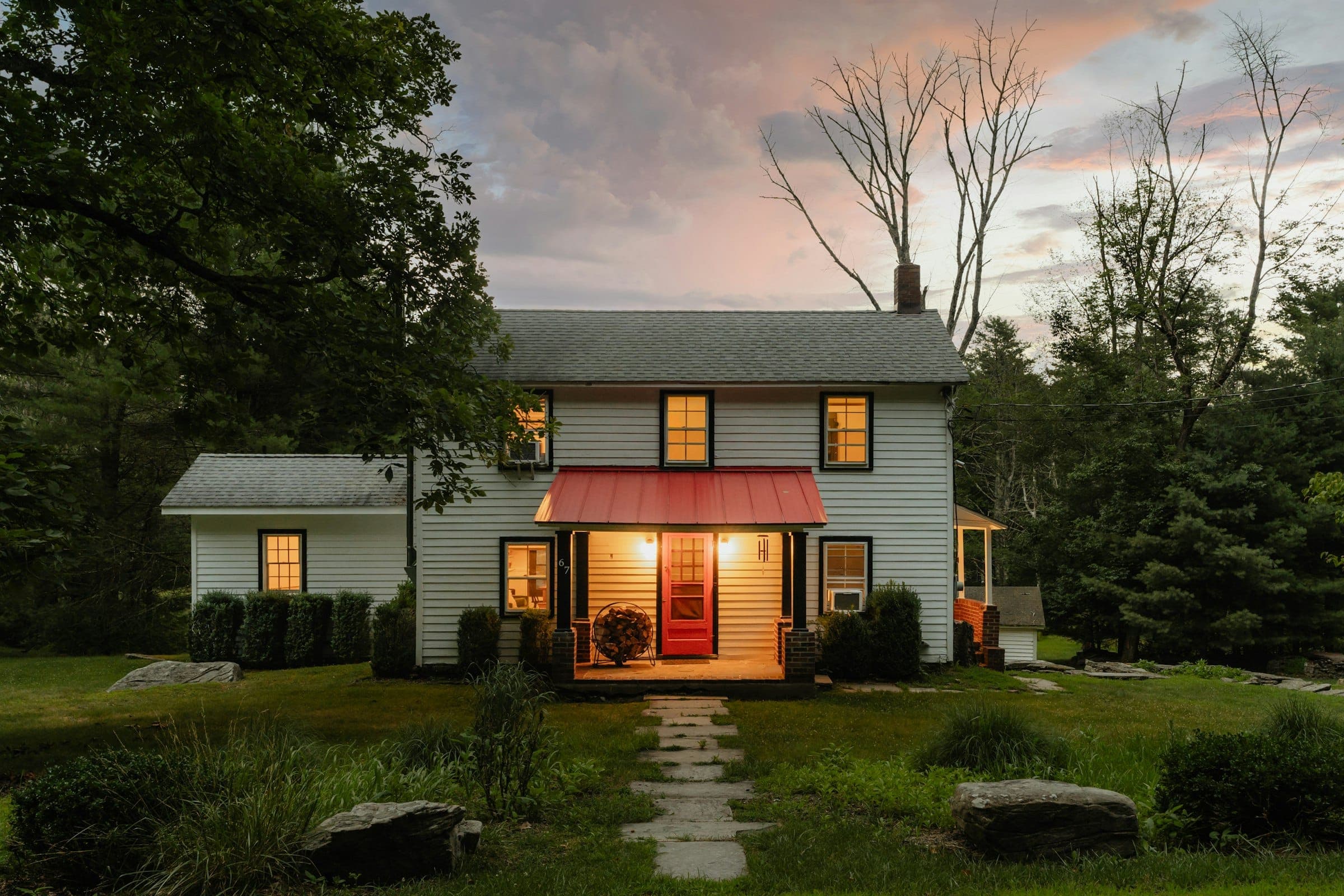
White clapboard farmhouse at dusk with lit windows and a glowing front porch under a red metal awning

Free estimates · Mon–Fri 8 a.m.–6 p.m. · Sat 9 a.m.–6 p.m.

Find the leak before you fix it

Estimates are free. C&L will look at the problem in person and put the findings and the repair in writing — including whether repair still makes sense. Request an estimate.