Skip to content

Exterior painting

Exterior painting in Muskego and southeast Wisconsin

Paint fails from the surface underneath, not from the top coat. The finish gets the attention, but washing, scraping, wood repair, priming and the right caulking decide whether it lasts.

Part ofPainting
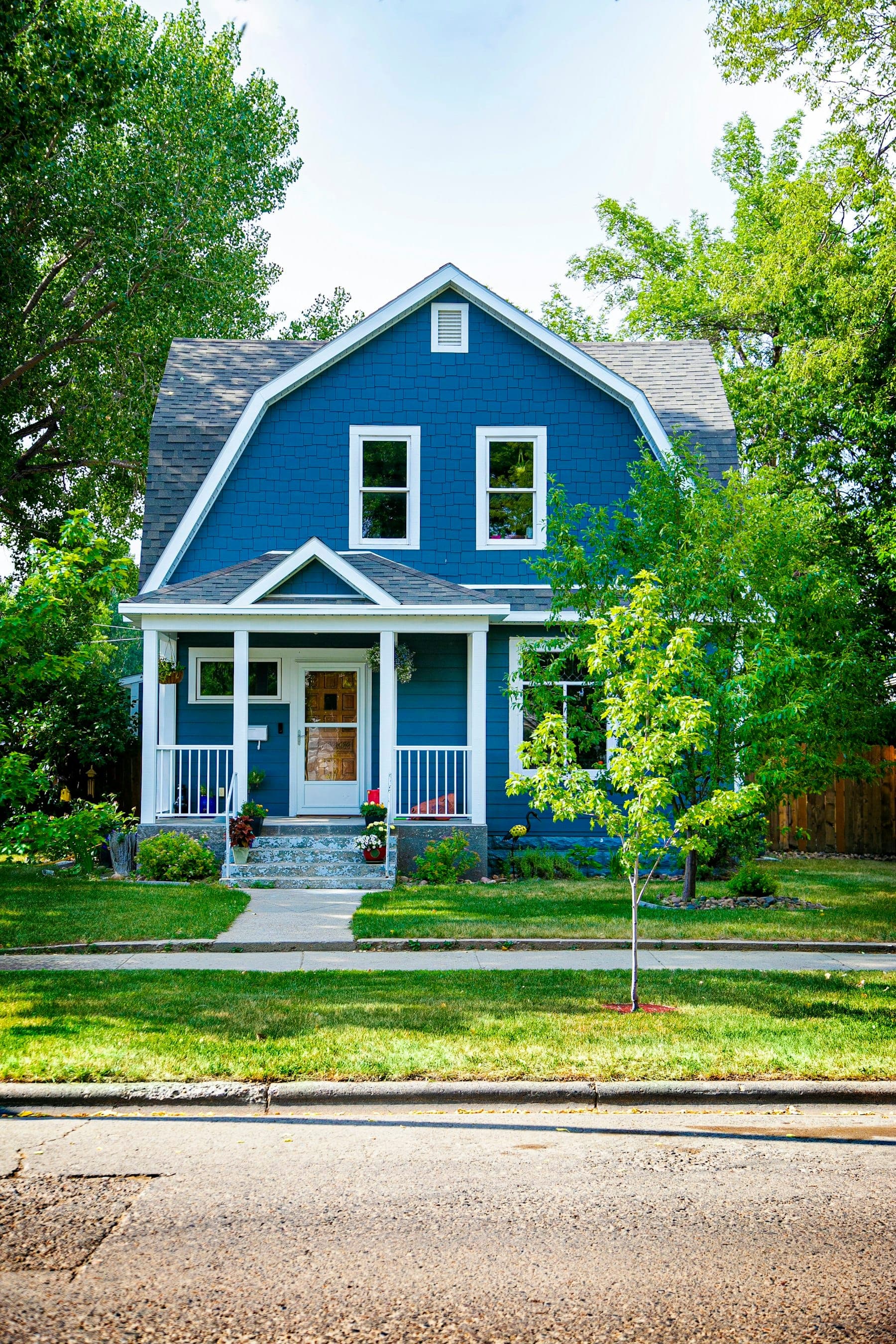
Blue Dutch colonial house with crisp white trim, a covered front porch and a young tree in the lawn

C&L Property Improvements is a family-owned painting and exterior company based in Muskego. It paints house exteriors across Waukesha, Milwaukee and Racine counties, including siding, trim, soffits, fascia, doors, porches and decks, and paints commercial exteriors as well.

On a sound repaint, most of the hours go in before a can of finish is opened. Peeling that shows up two or three years after a paint job is rarely about the paint brand. It is moisture getting into the wood, a dirty or chalky surface, bare wood that was never primed, or paint applied into a cold, dewy evening. This page explains each of those and what proper preparation looks like.

Homes built before 1978 add a legal layer: Wisconsin's lead-safe renovation rules apply to paid exterior work that disturbs 20 sq ft or more of paint. See the lead-safe renovation guide.

Estimates are free and the scope is put in writing, naming the prep level, the carpentry repairs, the primer, the number of finish coats and the product line, so bids can be compared on the work and not just the price. For budget, see the exterior painting cost guide.

What exterior painting includes

Washing

Dirt, chalk and mildew are washed off so new paint sticks to the old paint and not to a film on top of it. The house then has to dry. Washing uses low pressure: a high-pressure wand drives water into joints and end grain and can gouge soft wood.

Scraping, sanding and feathering

Loose and peeling paint is scraped back to a sound edge, and the edges are sanded, or feathered, so they do not show through the new coat. On pre-1978 homes, how that is done is regulated: no open-flame burning and no power sanding without a shroud and HEPA vacuum.

Carpentry repair

Rotted board ends, window sills, trim, fascia and porch parts are cut out and replaced. New wood is primed on all sides, back-primed, before it goes up, so it cannot draw moisture in from behind. Paint will not hold on rot.

Spot-priming bare wood

Every patch of bare wood, every repair and every stain-prone knot gets primer before the finish. Topcoat over bare, weathered wood is one of the fastest ways to get peeling.

Caulking the right joints

Sealant goes where trim meets siding at vertical joints, around window and door casings, and in nail holes and small checks. It never goes into the horizontal laps of lap siding, across the bottom of a window, or over flashing where water has to get out. Sealing those joints traps water behind the paint.

Two finish coats

Body, trim and doors get two coats of finish. Manufacturers such as Sherwin-Williams call for two coats on bare surfaces, and a second coat is what gives an even color and a full film thickness.

Protection

Plants, walks, roofs and windows are covered. On a pre-1978 home, Wisconsin's lead-safe rules also set the ground covering, containment and cleanup, so paint chips do not end up in the soil.

Brush applying white paint to a wooden trim board outdoors

Coatings for different surfaces

The right coating depends on what it is going over and how you want it to age. Each has a place and a trade-off.

100% acrylic exterior paint

The standard finish for wood, fiber cement and engineered wood siding and trim.

Good for
Most siding and trim. It stays flexible through temperature swings, and fiber cement and engineered wood makers recommend or require it.
Watch for
It forms a film, so moisture coming from behind will still lift it. Temperature and dew-point limits apply.

Solid-color stain

A thinner, more flexible film that shows the texture of the wood but not the grain.

Good for
Rough-sawn cedar, cedar shingles and board-and-batten.
Watch for
It is still a film and can peel like paint if the wood is wet. Once a surface is painted, going back to stain is not practical.

Semi-transparent stain

A penetrating finish that colors the wood and shows its grain.

Good for
Bare cedar siding and decks where you want the wood to show.
Watch for
Shorter recoat intervals, and it cannot go over paint or solid stain. It weathers away rather than peeling, which makes recoating easier.

Deck coatings

Penetrating stains, film-forming solid stains, or paint on horizontal surfaces.

Good for
Penetrating stain on most wood decks, because it is easy to maintain.
Watch for
Film finishes and paint on deck boards take foot traffic, standing water and snow, and tend to peel sooner than the same product on a wall.

Painting vinyl or aluminum siding

Sound vinyl and aluminum siding can be painted with products made for them.

Good for
Siding that is in good shape but faded or dated in color.
Watch for
On vinyl, choose only colors the paint maker lists as vinyl-safe. A darker color than the original can absorb enough heat to warp the panels. Aluminum has to be cleaned of chalk first, and badly dented panels are better replaced than painted.

How it’s built

The paint system, layer by layer

The paint system, layer by layerEach layer depends on the one beneath it. A premium finish over a poor surface fails as fast as a cheap one. Layers, in order: 1. Substrate and repairs; 2. Surface preparation; 3. Primer; 4. Two finish coats.1234
Each layer depends on the one beneath it. A premium finish over a poor surface fails as fast as a cheap one.
  1. Substrate and repairs

    Sound, dry wood or siding. Rot cut out and replaced, and new wood back-primed before installation.

  2. Surface preparation

    Washed, dried, scraped to a sound edge and feathered, with the right joints caulked and the drainage laps left open.

  3. Primer

    On all bare wood and repairs, applied within the primer's own temperature limits, which are often stricter than the topcoat's.

  4. Two finish coats

    100% acrylic or the specified stain, applied within the manufacturer's temperature, dew-point and recoat windows.

Decisions you'll make

  1. 01

    Paint, or replace the siding?

    If the siding is sound, paint usually wins. If it is rotting, split or already painted many times, repainting may just repeat the failure. The paint or replace guide and the siding page cover both sides.

  2. 02

    How much prep?

    Spot prep suits a house where only a few areas are failing. Full scraping suits one where paint is lifting everywhere. Stripping to bare wood is rarely justified, and on pre-1978 homes it is heavily restricted. A good estimate states which level is included.

  3. 03

    Paint or stain for cedar and decks?

    Stain shows the wood and weathers away gradually; paint hides it and protects longer but peels when it fails. On decks, penetrating stain is usually the lower-maintenance choice.

  4. 04

    How many colors?

    Body, trim and an accent door are standard. Every additional color adds cutting-in time, and dark colors on south and west walls get the most heat.

  5. 05

    Spring or fall?

    Both are possible, but the forecast, not the calendar, decides. See the exterior painting season guide.

How an exterior paint job goes

  1. 1

    Free estimate and written scope

    The house is looked at in person. The scope names prep level, repairs, primer, coats and product, and notes whether the home was built before 1978.

  2. 2

    Scheduling to the weather

    Start dates follow the forecast: overnight lows, dew and rain, not just daytime highs.

  3. 3

    Wash and dry

    Surfaces are cleaned and left to dry before any scraping or paint.

  4. 4

    Prep and carpentry

    Scraping, sanding, rot repair and replacement boards, with lead-safe setup where required.

  5. 5

    Prime and caulk

    Bare wood and repairs primed, and the right joints sealed.

  6. 6

    Finish coats

    Two coats on body and trim, working around the house with the sun so fresh paint is not baked.

  7. 7

    Walk-around

    A final look at every elevation for missed spots and touch-ups, with anything open written down.

Why exterior paint peels

Moisture from inside the house

Warm, humid air from bathrooms, kitchens and laundry moves into cold exterior walls in winter. The Forest Products Laboratory notes that moisture-excluding finishes on the outside will not stop this kind of peeling. The fix is inside: exhaust fans that vent outdoors, and air sealing.

Ice dams

Meltwater backing up at the eaves runs into the wall and shows up as peeling paint and staining below. See the ice dam guide.

Open joints and end grain

Water gets into board ends, cracked caulk and open miters. That is why paint fails first at board ends and edges.

Dirty or chalky surfaces

Paint over dirt or chalk sticks to the dirt, not the old paint, and peels in sheets between coats.

Painting too cold or too late in the day

Dew forming on uncured latex after sunset causes surfactant leaching, poor adhesion and mildew. Sherwin-Williams names warm-day, cold-night painting as a common mistake.

Wet wood and hot sun

Wood painted above about 20 percent moisture tends to blister and peel. Fresh paint, mainly oil-based, can blister when direct sun heats it, which is why painters follow the sun around the house.

Southeast Wisconsin

Wisconsin-specific details

The painting season here is set by overnight lows and dew as much as by daytime highs, and much of the region's housing predates 1978. These points come from the paint makers' own data sheets and Wisconsin agencies.

Temperature and dew point, per the manufacturer

Sherwin-Williams rates Duration and Emerald Exterior for application down to 35°F, but only with air, surface and material at least 5°F above the dew point and with no drop below 35°F within 48 hours. Its Duration data sheet adds that standard latex primers cannot be used below 50°F. Benjamin Moore rates Aura Exterior to 35°F surface temperature. Other products have other limits, so the label for the actual product decides.

The season in Milwaukee's numbers

In Milwaukee County the average last freeze is April 24 and the average first freeze is October 17. Normal lows are 44.7°F in October and 33.1°F in November. That makes roughly May through September the dependable exterior season, with spring and fall work decided by the forecast. See the painting season guide.

Wood moisture

The USDA Forest Products Laboratory warns that if wood moisture content exceeds 20 percent when it is painted, blistering and peeling are likely. Wood should be painted near the moisture content it will have in service, which after a wet week in spring may mean waiting.

Lead-safe rules for homes built before 1978

Wisconsin runs its own lead-safe renovation program under DHS 163 instead of the federal EPA program. Paid work on pre-1978 housing that disturbs 20 sq ft or more of exterior paint must be done by a DHS-certified lead company with a certified renovator in charge. Owners and occupants must receive EPA's Renovate Right pamphlet no more than 60 days before work starts. Open-flame burning, unshrouded power sanding and high-pressure water blasting without containment are prohibited. Penalties run $100 to $5,000 per violation, per day. Ask any painter for both certifications and check them on the DHS list.

Fiber cement and engineered wood deadlines

James Hardie's HZ5 instructions require primed fiber cement to be painted within 180 days, with 100% acrylic topcoats recommended and no oil or alkyd paint or stain. LP asks for SmartSide to be painted with 100% acrylic as soon as possible or within 180 days, and allows oil but not stain.

Timing, access and budget

Book early for summer

The dependable season is short, so summer dates fill first. Spring and fall starts are realistic but depend on overnight lows and dew, and a written scope should say what happens if weather pushes a job back.

Permits

Painting does not usually need a building permit; the City of Milwaukee exempts painting and similar finish work. Lead-safe rules still apply regardless of the permit.

Living through it

Windows are closed and masked while trim is painted, shrubs need to be trimmed back from the walls, and pets and children need a way around work areas, especially where lead-safe containment is set up.

What drives the price

Surface area and siding type, the prep level, carpentry repair, lead-safe work, the number of colors, height and access (ladders, staging or lifts), and product quality. The cost guide goes through each.

Commercial exteriors

Storefronts and small commercial buildings follow the same prep and product rules. Access, working hours and protection of entrances and parking should be spelled out in the written scope.

Cost guideExterior painting cost in southeast WisconsinSourced, dated figures and what actually drives the price.

Questions about exterior painting

When is it too cold to paint outside in Wisconsin?

It depends on the product. Some premium exterior lines are rated to 35°F, but only if the temperature stays above 35°F for 48 hours and surfaces stay at least 5°F above the dew point. Many primers need 50°F. Watch the overnight lows, not the afternoon high.

How long does exterior paint last?

It depends more on the surface, the exposure and the prep than on the label. South and west walls and horizontal surfaces wear first, and board ends fail before flat faces. A well-prepped house with moisture problems fixed holds paint far longer than one painted over the same problems.

Do you pressure-wash before painting?

The house is washed, but at low pressure. High pressure forces water into joints and end grain and can damage soft wood. On pre-1978 homes, Wisconsin's rules prohibit high-pressure water blasting without containment.

My house was built before 1978. What changes?

Paid work that disturbs 20 sq ft or more of exterior paint must follow Wisconsin's DHS lead-safe rules: a certified company and renovator, containment, restricted methods and specific cleanup. The lead-safe guide linked above covers the details.

Should the gaps under my siding boards be caulked?

No. The horizontal laps on lap siding let water drain and the wall breathe, and sealing them traps moisture behind the paint. Caulk belongs at vertical trim joints, around casings and in nail holes.

Can vinyl or aluminum siding be painted?

Yes, if it is sound and cleaned properly, using products made for it. On vinyl, stay with colors the paint maker lists as vinyl-safe, since a darker color can overheat and warp the panels.

Why is my new paint already peeling?

The usual causes are moisture from inside the house, water getting into joints, paint over chalk or dirt, bare wood left unprimed, or paint that got dew on it before it cured. Repainting without fixing the cause repeats the failure.

Do you paint commercial buildings?

Yes. C&L paints commercial exteriors and interiors as well as homes. The same preparation and product rules apply, with access and working hours set out in the written scope.

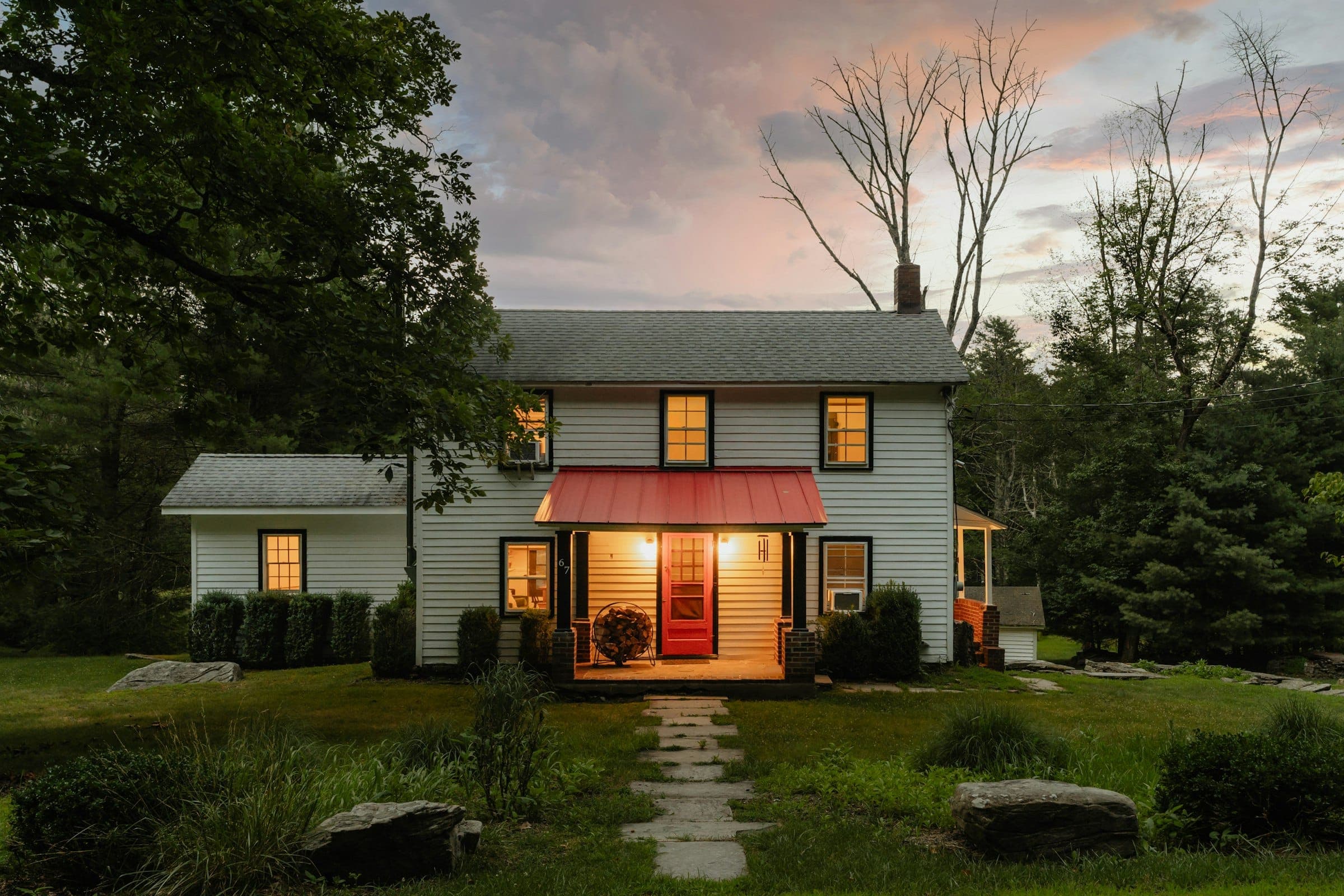
White clapboard farmhouse at dusk with lit windows and a glowing front porch under a red metal awning

Free estimates · Mon–Fri 8 a.m.–6 p.m. · Sat 9 a.m.–6 p.m.

Get a written painting scope

Estimates are free. C&L will look at the house in person and put the prep, repairs, primer and coats in writing, so you know what you are paying for before the first scraper comes out. Request an estimate.